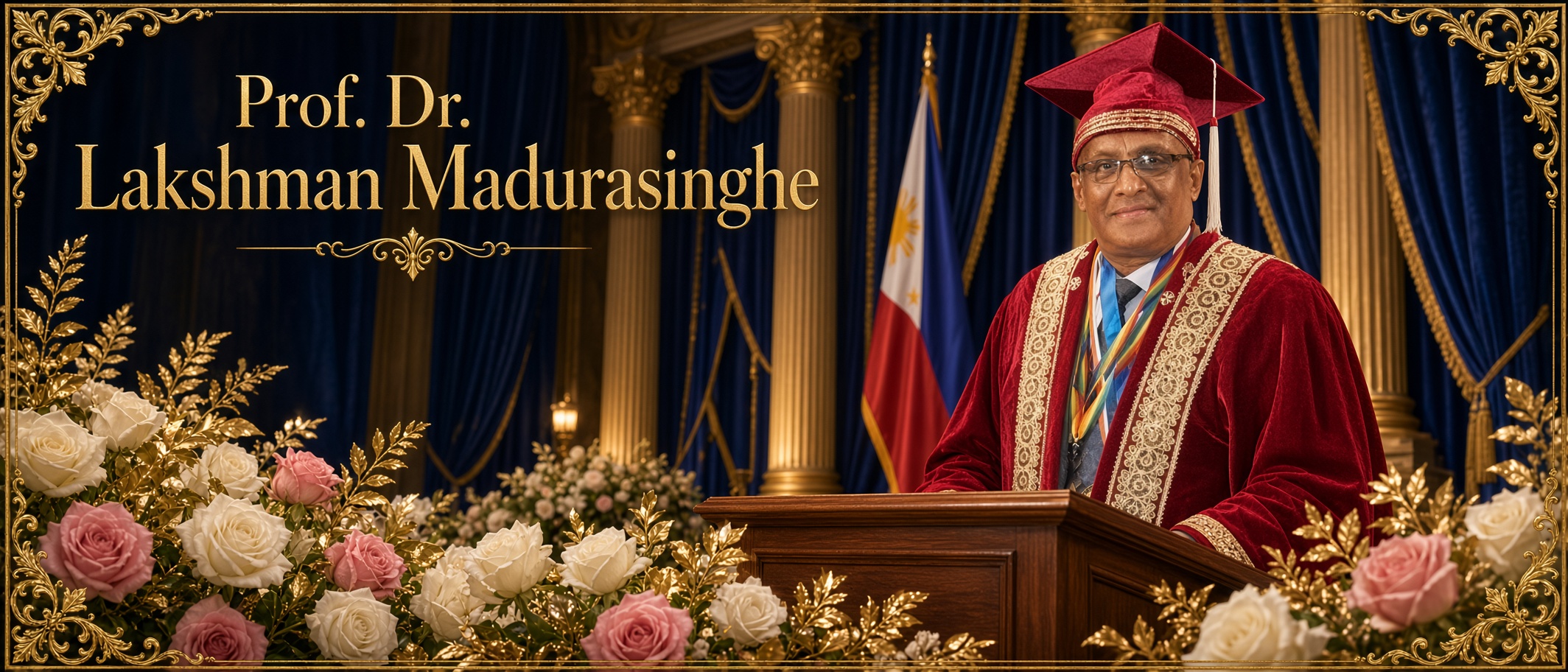
I. Forensic Theology
Forensic Theology is the application of investigative, pathological, and legal sciences to substantiate theological claims. It treats historical events and physical spiritual manifestations as “crime scenes” or evidentiary exhibits, applying rigorous empirical analysis to validate the supernatural.
1. Pathological Analysis of Miracles This area involves the medical and forensic examination of physical artefacts alleged to have undergone miraculous transformation.
-
Eucharistic Forensics: Analyzing occurrences where the sacramental elements physically manifest as human tissue. This includes studying the specific histological and immunological nature of the tissue—such as identifying it as striated myocardium from the left ventricle, and analyzing its preservation without decay over centuries.
-
The Principle of Representative Revelation: Utilizing these rare, scientifically verifiable events as forensic “Stare Decisis”—establishing a truth locally that serves as a universal verdict for the global Body of Christ.
2. Biophysics of Relics and the Resurrection This involves applying physics and forensic pathology to understand the mechanics of the crucifixion, resurrection, and the nature of the glorified body.
-
The Shroud of Turin: Utilizing 3D topological analysis, radiation physics, and haematology to understand the burst of high-frequency energy (the “mechanically transparent” state) required to produce the image, offering a scientific glimpse into the mechanics of the resurrection.
-
Eschatological Physics: Theorizing the physical nature of the future glorified body—a high-resonance, immortal biological state free from somatic decay and entropy.
3. Historical and Legal Evidentiary Apologetics Applying jurisprudence to the biblical text. It evaluates the credibility of the apostles’ testimonies using the laws of evidence, cross-examination techniques, and historical-grammatical forensics to prove the historical factuality of the resurrection and the reliability of scripture.
II. Bio-Spiritual Apologetics
While Forensic Theology looks at external historical evidence, Bio-Spiritual Apologetics looks inward. It defends the Christian faith by mapping theological realities (like the conscience, the new birth, and sanctification) onto the biological hardware of the human body. It argues that human anatomy is specifically engineered as an interface for the Spirit.
1. Quantum Neuro-Theology and the “Antenna” of the Soul This area addresses the “Hard Problem” of consciousness by combining quantum biology with biblical anthropology.
-
Microtubule Resonance: Investigating how the cytoskeletal microtubule networks within neurons act as quantum dipolar antennas. Instead of the brain generating consciousness, this views the human biological organism as a receiver tuned to the non-local field of the Spirit (the ultimate consciousness).
-
The Bio-linguistics of the Spirit: Explaining phenomena like “speaking in tongues” as a high-bandwidth, direct quantum resonance between the human spirit and the Divine, deliberately bypassing the lossy compression and logical filters of the cranial brain’s Broca’s area.
2. The Cardiology of Conscience and Volition A radical departure from brain-centric materialism, this area integrates modern neurocardiology with the biblical doctrine of the heart.
-
The Intrinsic Cardiac Ganglia: Identifying the ~40,000 neurons of the “heart-brain” as the primary biological seat of the conscience and spiritual perception.
-
The Veto Power (“Free Won’t”): Mapping how the regenerate heart, communicating via the vagus nerve, fires inhibitory signals to the amygdala and thalamus to block (veto) the sinful, survival-driven impulses of the cranial brain.
3. Sanctification as Spiritual Neuroplasticity This translates the theological concept of “mortifying the flesh” into observable neuroscience.
-
Executive Reframing: Utilizing the Prefrontal Cortex (the CEO of the brain) to execute divine will through synaptic pruning—starving the neural pathways of fear and sin by deliberately casting down toxic imaginations.
-
The Friction of Rewiring: Recognizing that the struggle against the “flesh” is the literal biological friction of the heart continuously pumping the “law of the Spirit” into the system to overwrite deeply entrenched, fallen neural pathways.
The Unifying Architecture
Both fields ultimately serve to validate the architecture of a transformed human life, which can be systematically understood through four pillars:
-
Consciousness: Awakened by the quantum resonance of the Spirit, grounded in historical fact.
-
Commitment: The daily, volitional exercise of the cardiac “veto power.”
-
Character: The enduring ontological fruit produced by the friction of spiritual neuroplasticity.
-
Competence: The functional execution of divine law through a renewed, executive mind.
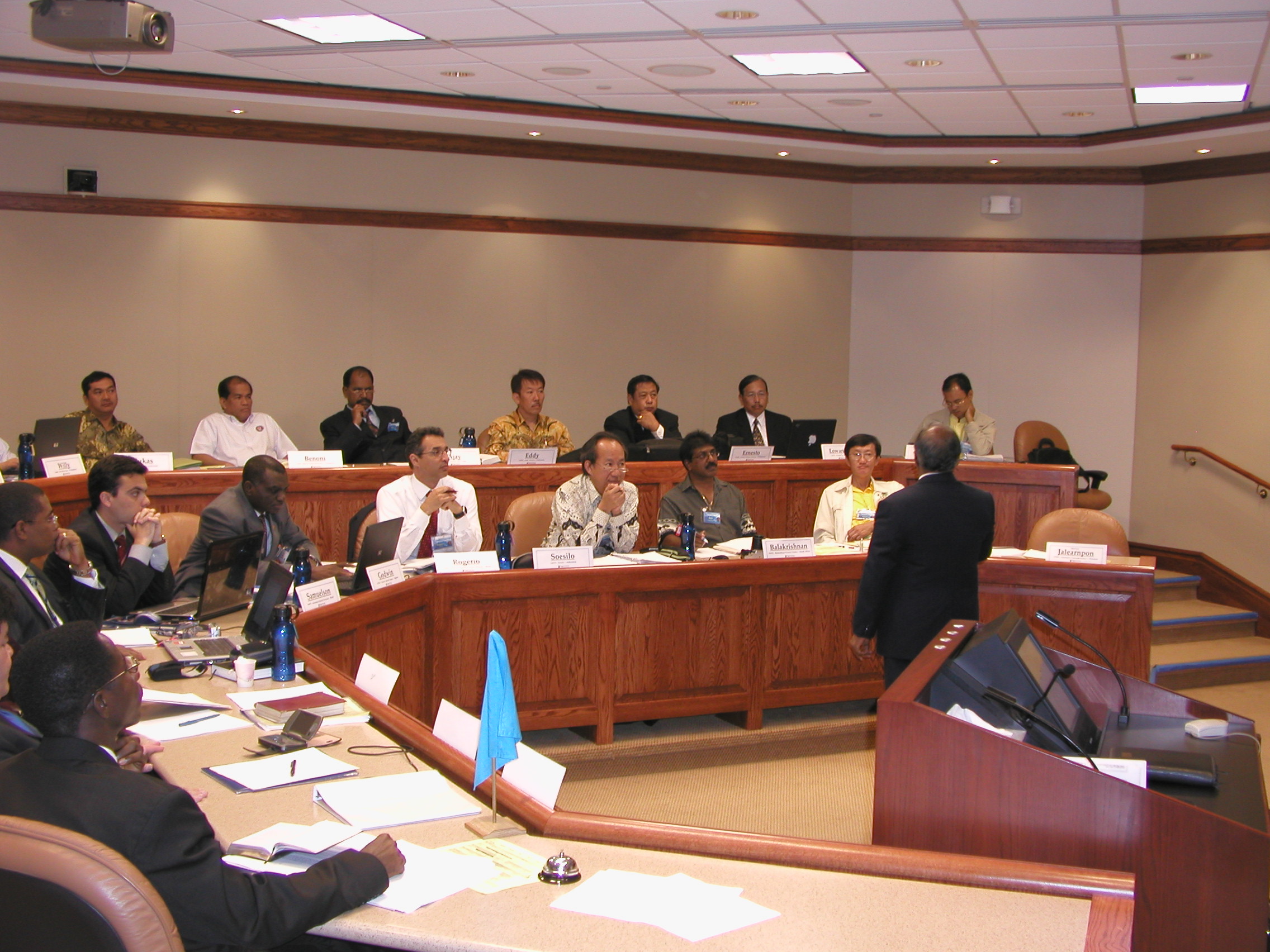
Training Christian Leaders at Haggai, Hawaii, USA
With Dr.Balasingh after the Buddhism seminar at Norton Bridge, Sri Lanka 2 Oct 2015


Islam

With Islamic Scholar Ahmed Deedat in 1987 at the Abu Dhabi Intercontinental
What is the Ontological argument?
What is Kalam’s Cosmological argument?
Resources
- http://www.bethinking.org– Excellent audio archive for beginner to advanced apologetics
- http://www.VERITAS.org – The VERITAS Forum
- http://www.Leaderu.com – Leadership University
- http://www.TheOCCA.org– Oxford Center for Christian Apologetics
- http://www.RZIM.org– Ravi Zacharias International Ministries
- http://www.ReasonableFaith.org – Dr.William Craig
- http://arcapologetics.org/ Apologetics Resource Centre
- http://www.thepoachedegg.net/ The Poached Egg
- http://www.arn.org/ Access Research Network
- http://www.embracethetruth.org Aletheia International
- http://faithinfocus.org/ Alex McFarland
- http://answeringislam.org/ Answering Islam
- http://normangeisler.net Norm Geisler
- John Lennox.org John Lennox
- Josh.org Josh McDowell
Extra Reading Resources
- Greg Koukl: STR.org
- J. Warner Wallace: ColdCaseChristianity.com
- C.S. Lewis: CSLewis.org
- Gary Habermas: GaryHabermas.com
- Timothy McGrew: http://historicalapologetics.org/
- Dr. Michael Brown: AskDrBRown.org
- Richard Howe: Richardghowe.com
- Tim Keller: TimothyKeller.com
- J. Budziszewski: Undergroundthomist.org
- Hank Hanegraaff: Equip.org
- Hugh Ross: Reasons.org

Top 10 Apologetics Books
|


1. Kerby Anderson – VP of International Society of Christian Apologetics.
2. John Ankerberg – Founder of Ankerberg Theological Research Institute; Great podcast.
3. Greg Bahnsen – the late great presuppositional apologist. Debated Gordon Stein.
4. Andy Bannister – London School of Theology / Oxford Centre for Christian apologetics.
5. Francis Beckwith – noted philosopher and apologist, especially in the area of ethics.
6. Ken Boa – relational evangelism, discipleship, apologetics.
7. Darrell Bock – Research Professor of NT Studies at Dallas Theological Seminary.
8. Joe Boot – apologist, educator, author and pastor.
9. Robert Bowman – noted apologetics and theology teacher (Biola)
10. Justin Brierley – host of Unbelievable? on Premier Christian Radio, UK.
11. Kyle Butt – staff at Apologetics Press and editor of Discovery magazine. DebatedBarker.
12. Ted Cabal – general editor of The Apologetics Study Bible.
13. Charlie Campbell – itinerant apologist and head of AlwaysBeReady.com.
14. Ergun Caner – provost Arlington Baptist College; author.
15. Edward John Carnell – was a prominent and influential Christian theologian and apologist.
16. G.K. Chesterton – famous author, philosopher, theologian, apologist.
17. David K. Clark – apologist with notable books; teaches at Bethel Seminary
18. Gordon Clark – Christian philosopher, apologist, and theologian. Contemporary of Van Til.
19. Kelly James Clark – notable philosopher of religion, author; Calvin College.
20. Gene Cook – host of UnchainedRadio; reformed pastor and apologist. Owns a pit bull.
21. Paul Copan – Philosophy and ethics; noted apologist and author.
22. Winfried Corduan – Christian philosopher of religion; noted author.
23. Steven B. Cowan – Associate director of Apologetics Resource Center; Areopagus Journal
24. William Lane Craig – philosopher, theologian, apologist; Debater par excellence.
25. Dinesh D’Souza – writer, speaker, debater. Various notable debates.
26. William Dembski – philosopher of science and mathematician; ID theorist.
27. William Edgar – Professor of Apologetics Westminster Theological Seminary; jazz pianist.
28. Lenny Esposito – founder of ComeReason apologetics ministry.
29. C. Stephen Evans – philosophy of religion; apologetics; great author. Baylor.
30. Paul D. Feinberg – the late philosopher of religion and apologist; author.
31. Harold Felder – founder of GivingAnAnswer apologetics ministry.
32. Phil Fernandes – Christian philosopher, apologist, debater. Tremendous audio resources.
33. John Frame – Reformed Theological Seminary; reformed apologist; Van Til expert.
34. Norman Geisler – prolific author of over 70 books; Classical apologist.
35. R. Douglas Geivett – Professor of Philosophy Talbot Department of Philosophy / Biola
36. Simon Greenleaf – legal scholar famous for his book Testimony of the Evangelists.
37. Douglas Groothuis – Christian philosopher, author, teacher.
38. Shandon L. Guthrie – philosophy, apologetics, atheism, comparative religions, ethics.
39. Gary Habermas – the world’s foremost expert on the resurrection of Jesus.
40. Hank Hanegraaff – today’s Bible Answer Man.
41. Craig Hazen – director of Biola’s Christian Apologetics program.
42. J.P. Holding – founded Tektonics apologetics website; author.
43. Anthony Horvath – Athanatos Christian Ministries and online Apologetics Academy.
44. Phillip E. Johnson – one of the key leaders of the Intelligent Design movement.
45. Walter Kaiser – scholar, writer, educator, and distinguished Professor of Old Testament.
46. Timothy Keller – urban pastor and apologist noted for his clear communication.
47. Greg Koukl – apologist and president of Stand to Reason; excellent radio program.
48. Peter Kreeft – professor of philosophy at Boston College, noted apologist.
49. John Lennox – philosopher of science, mathematician, Oxford debater of Dawkins.
50. C.S. Lewis – famous author, lecturer, apologist; Narnia books, Mere Christianity.
51. Gordon Lewis – philosopher and theologian; author of Testing Christianity’s Truth Claims.
52. Mike Licona – historian and apologist; authority on the resurrection of Jesus.
53. Bruce Little – philosopher noted for work on the problem of evil and theodicy.
54. Paul Little – late apologist and author noted for his simple style and easy communication.
55. David Marshall – world cultures, outspoken against new atheism.
56. Walter Martin – most famous for his Kingdom of the Cults book; the original Answer Man.
57. Stuart McAllister – Scottish itinerant cultural apologist with RZIM.
58. Josh McDowell – famous for Evidence that Demands a Verdict.
59. Sean McDowell – worldview youth minister / itinerant apologist.
60. Alex McFarland – itinerant apologist targeting young people, teens.
61. Alister McGrath – Oxford professor of theology, author and opponent of new atheism.
62. Chad Meister – philosopher of religion, ethics, logic; apologist, author; Bethel College.
63. Angus Menuge – Concordia University professor of philosophy.
64. Stephen Meyer -philosopher of science, intelligent design theorist, author.
65. Albert Mohler – president of SBTS, worldview cultural commentator, author, radio host.
66. John Warwick Montgomery – perhaps the most famous evidentialist apologist.
67. J.P. Moreland – Christian philosopher, noted author, apologist.
68. Ronald Nash – Professor Philosophy and Theology at Reformed Theological Seminary
69. Randall Niles – itinerant and multimedia apologist.
70. David Noebel – founder of Summit Ministries and worldview apologist.
71. Scott Oliphint – Professor of Apologetics and Systematic Theology WTS
72. Amy Orr-Ewing – Director of Training of the Zacharias Trust.
73. Craig Parton – trial lawyer and noted Lutheran apologist.
74. Alvin Plantinga – world-class philosopher; reformed epistemology, philosophy of religion.
75. Doug Powell – excellent multimedia apologist at SelflessDefense.
76. Michael Ramsden – European Director of Zacharias Trust, speaker for RZIM.
77. Fazale Rana – PhD biochemist with Reasons to Believe.
78. Ron Rhodes – author and apologist founder of Reasoning from the Scriptures.
79. John W. Robbins – reformed apologist, founder of Trinity Foundation.
80. Mark D. Roberts – pastor, author, speaker, blogger. Emphasis in NT / Gospels.
81. David Robertson – Scottish pastor famous/notorious for his Dawkins Letters.
82. Hugh Ross – astrophysicist apologist and old Earth creationist; founder Reasons to Believe.
83. Kenneth Samples – reformed philosopher, theologian, apologist with Reasons to Believe.
84. Francis Schaeffer – famous late cultural apologist, author, philosopher; founder ofL’Abri.
85. Mary Jo Sharp – author, apologist, debater; founder of Confident Christianity.
86. James Sire – influential worldview author, apologist, and speaker.
87. Matt Slick – founder of CARM.org, one of the best apologetics encyclopedias on the web.
88. R.C. Sproul – notable theologian, author, and classical apologist.
89. Don Stewart – prolific author, apologist, and host of the Bible Explorer.
90. Lee Strobel – journalist famous for his Case for Christ series of books; popular apologist.
91. Richard Swinburne – world-class Oxford philosopher of religion; author.
92. Frank Turek – itinerant apologist and founder of CrossExamined; debated Hitchens.
93. Cornelius Van Til – the most famous presuppositional reformed apologist.
94. Jim Wallace – cold case detective, pastor, and apologist; excellent podcast.
95. James White – theologian, author, prolific debater, and reformed apologist.
96. Dallas Willard – Christian philosopher; notable works in philosophy, discipleship,
97. Peter S. Williams – Christian philosopher; notable works countering Dawkins
98. Douglas Wilson – presuppositional apologist; number of atheist debates (Hitchens, Barker)
99. N.T. Wright – Bishop of Durham; notable work on the resurrection.
100. Ravi Zacharias -perhaps today’s most notable international cultural apologist.